
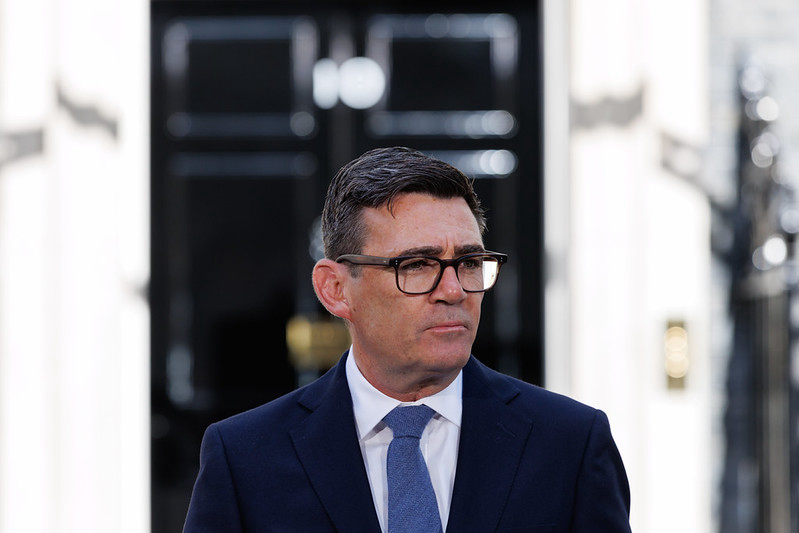
Andy Burnham has previously backed plans for a flat tax on property which would leave 88 per cent of Westminster households worse off, figures show.
The former mayor of Manchester has shown support for replacing Britain’s current council tax and stamp duty system with a flat levy based on 0.48 per cent of a property’s value.
While owners of properties worth up to £700,000 would end up paying no more than what they do now, more expensive homes will see an increase in their charge.
According to provisional figures released by the Office of National Statistics (ONS), the average house price in Westminster was £836,000 as of April 2026.
In an interview last week, the new PM refused to rule out asking the taxpayer for ‘a little more’ and also kept a possible wealth tax on the table.
Despite being the location of some of the country’s most expensive homes, Westminster currently enjoys one of Britain’s lowest council tax rates – partly due to the number of other revenue streams available to the council in inner London, including from licensing, parking charges and business rates.
However the area faces more financial pressure amid the new prime minister’s pledges to divert more funds up north and away from the capital.

Unlike the current council tax, the proposed flat tax would not apply to renters, although costs could still be passed to tenants in increased rents.
According to figures estimated by Fairer Share, a campaign to introduce the proportional scheme supported by the new PM, only four boroughs would have a majority of households better off under the new suggested levy: Barking and Dagenham, Islington, Southwark and Hackney.
Westminster would be the hardest hit London borough by the proposed change, with just 12 per cent of households standing to gain from a proportional property tax.
While some homes would see little to no change, a large majority would be hit with a hike of at least several percentage points.
For several, the bill could go up by more than £1,000. While any increase as a result of the proportional tax would be capped to £1,200 a year, this would not apply as soon as a home is sold.
Analysts have warned that a flat rate would disproportionately hit properties in the capital, many of which are comparatively expensive compared to the rest of the country due to London’s inflated housing market.
The Centre for London think tank said the Fairer Share tax proposal would both cost Londoners but also remove powers from local authorities, contrary to Burnham’s push for further devolution.
A flat rate would amount to a ‘step backwards’ which would hike bills by £812 for a London home worth £600,000, the think tank said.
It instead backed a proportional levy in which all homes worth up to £800,000 are charged at 0.39 per cent, with a slightly higher rate for homes valued between £800,000 and £1million and gradual increases above that for properties worth more than that.
Its CEO Antonia Jennings, said: ‘This approach would hike up bills for many London households, while removing one of the few remaining tax-setting powers available to local government through council tax.
‘That would represent a step backwards in the fight for more local control of taxes and is out of step with Andy Burnham’s commitment to devolution.’
She added: ‘We’ve got a choice. Either, we create a nationally controlled property tax, that asks Londoners to pay more while giving them less say over how money is spent. Or we create a devolved model, that creates a fairer housing market, strengthens local government across the entirety of the UK and raises significant new funding for social housebuilding.’