
Live facial recognition is to be deployed to catch sex offenders and shoplifters in various spots across the West End, Met Police has announced.
The technology, using static cameras, is to be rolled out in high crime areas including Soho by the end of the year, the force confirmed.
While the cameras will be installed in fixed locations, such as lampposts, they will not remain permanently in any one position, allowing them to be moved to emerging crime hotspots.
A pilot scheme launched in Croydon this year caught 170 criminals, with the system having been used by officers to arrest 2,000 people in London since 2024.
Just one false alert was detected during the trial, in which a camera monitored 470,000 passers-by. No-one has ever faced arrest due to being falsely identified by LFR, the force says.

The announcement comes after the Met won a judicial review to use the technology across London in April.
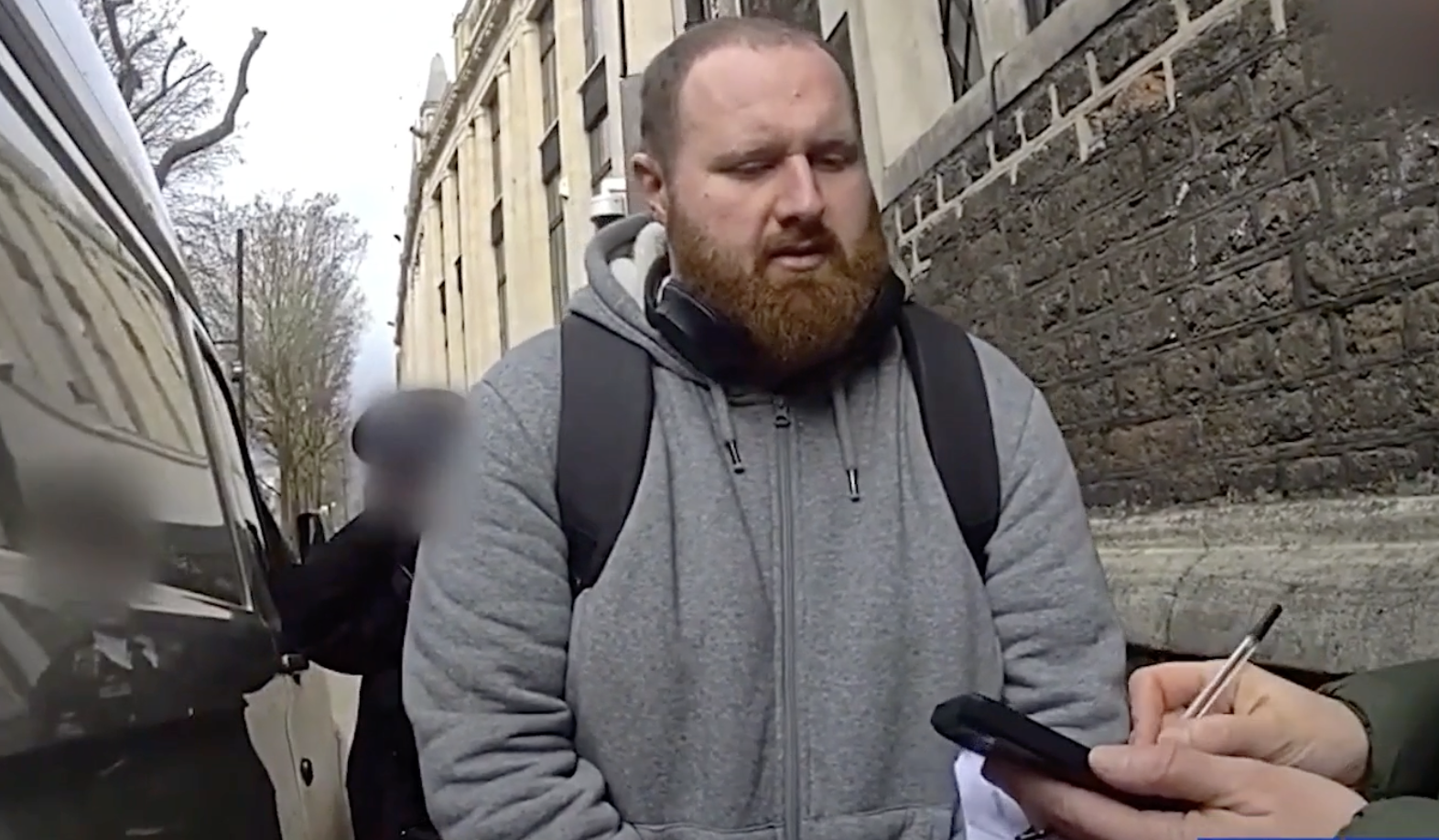
Sex offender Colin Barker, 38, was among individuals flagged by LFR cameras in February, when he was found to be in communication with a child under 16.
He had access to TikTok, Twitch, Social Co and X on his phone and was also in possession of indecent images of children.
Last month he was sentenced to two years imprisonment after pleading guilty on five counts of breaching a Sexual Harm Prevention Order and one count of making indecent images of children.
David Cheneler, 73 was found by cameras with a six-year-old girl in breach of his sexual prevention order.
When questioned by officers what his relation was to the little girl, he said: ‘It’s just mum’s friend. It’s a girl that I know at the pub.’
He was jailed for two years in May 2025 for breaching his sexual harm prevention order and possessing an offensive weapon.
Met commissioner Sir Mark Rowley said the technology was the most ‘revolutionary’ enhancement to policing in years, adding that it enjoyed high support from the public, with 80 per cent backing its use.
He said: ‘The use of static cameras will help us continue cutting crime in high-footfall areas in central London.
‘We also have to be clear about the threat we face – criminals are not standing still. They are quick to exploit new technology to commit offences, evade detection and target victims at scale. Policing cannot afford to fall behind and this is another step towards tackling that.’

New West End Company chief executive Dee Corsi said the rollout represented a ‘significant opportunity’ to tackle crime and improve public safety.
‘As one of the world’s busiest destinations for retail, leisure, hospitality and business, the West End must continue to invest in innovative measures that help keep businesses, workers and visitors safe. LFR would complement the £23 million investment New West End Company is making on behalf of its businesses in enhanced security over the next five years.’, she said.
‘Reducing crime requires strong collaboration between businesses, policing and local government, and we look forward to continuing that partnership to make the West End safer for all.’
Councillor Caroline Sargent, Westminster Council cabinet member for enforcement said the local authority was exploring ways to use CCTV and AI improve public safety in crime hotspots.
‘Our work with the West End Taskforce will help us drive new partnership approaches to live facial recognition in Soho and the West End and hopefully lead to new ways of working that will benefit the whole city’, she said.