
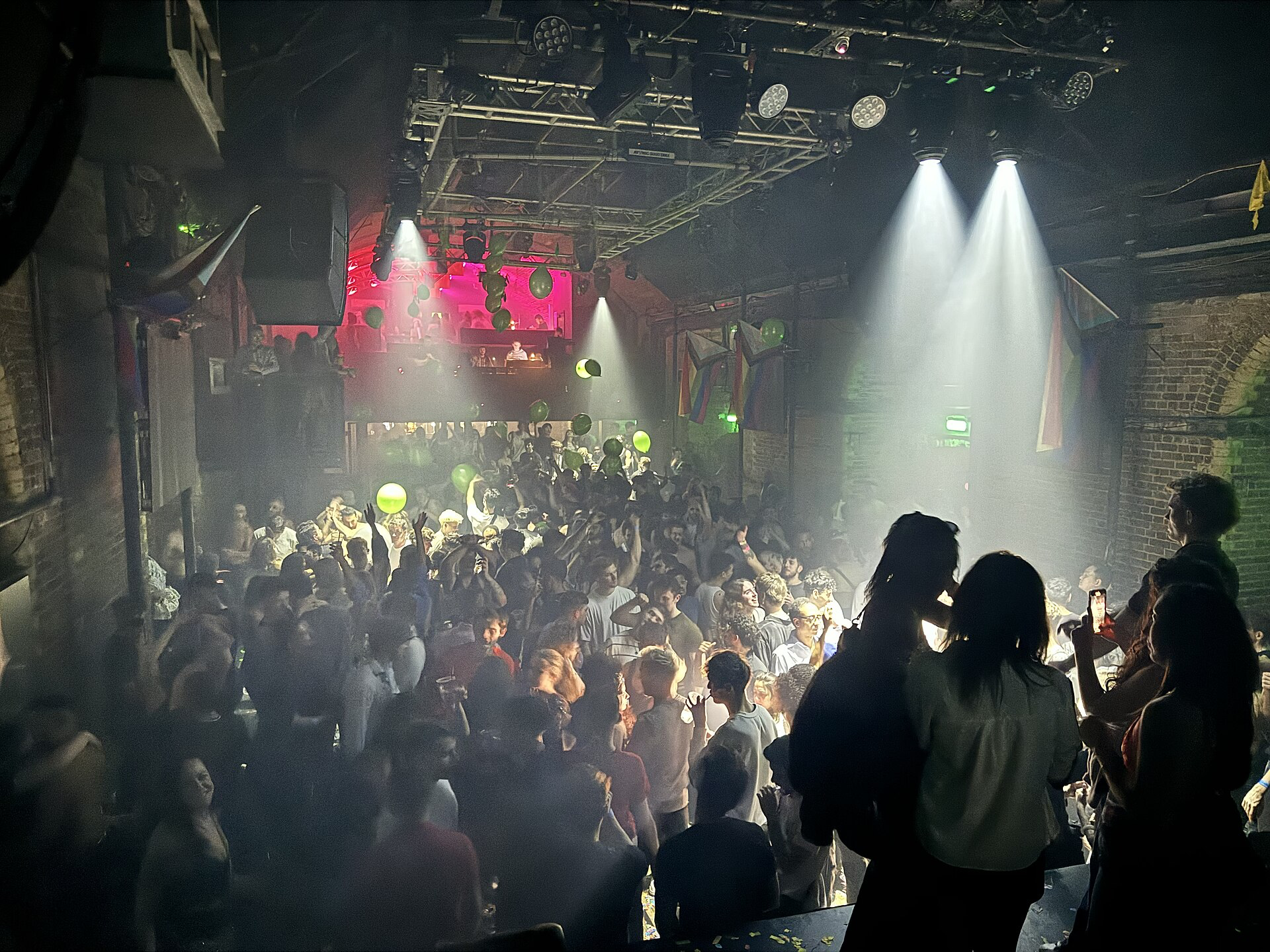
A resident has admitted to supplying false statements in relation to the licence review of the Heaven nightclub following a rape allegation in 2024.
Attanasio d’Aponte pleaded guilty to giving Westminster City Council two fictitious reports in a bid to stop the club, which was beset by an alleged rape incident in October 2024, from regaining its licence.
Heaven, an LGBTQ nightclub, was temporarily shut down after having its licence suspended in 2024 after a bouncer was alleged to have raped a 19-year-old woman. The bouncer was later found not guilty in relation to charges.
At least one resident raised the alarm to the local authority at the time, saying that false representations included a letter from someone claiming to be the chair of a non-existent residents’ association.
D’Aponte was among those thought to be behind encrypted AI-generated emails sent to the council.

Charges were eventually brought by the Met Police in November last year after the case was taken up by Philip Kolvin KC, a barrister specialising in licensing.
He told WT the case involving AI-generated messages in an attempt to influence the council’s decision was the first of its kind and that the false statements had caused ‘trauma’ to the club’s owners.
‘This is proper criminal activity. We should call it out for what it is’, he said.
But he added the case underlined the need for reforming the licensing system to encourage closer partnership between businesses and local authorities, adding that venues shouldn’t be closed down for one incident on their premises.
He said: ‘You can’t set up a business where nothing goes wrong.
‘There’s a sense that the licence is given as a privilege which can be taken away even if something happens which is beyond your control.’
Saba Naqshbandi KC, defending, said d’Aponte, the CEO of Arbitrage Group Properties, had resorted to the ‘foolish and desperate act’ due to the impact the venue was having on his growing family.
D’Aponte’s actions were ‘out of character’ and were out of concern for the impact that the venue reopening would have on him and his children, she said.
She added he had even applied to delist his own property’s Grade II Listed status in order to make alterations to mitigate the noise and nuisance from the venue.
D’Aponte was given a 12-month conditional discharge and ordered to pay a total of £111 in court costs, including a £26 victim surcharge.
Heaven’s owner Jeremy Joseph, said the nightclub had become the victim of misinformation and the ordeal was ‘one of the worst experiences’ he had had in his career in hospitality.
He said: ‘There were many things that happened during the hearing where we felt we were unfairly treated, yet had to stay silence to fight to get Heaven re-opened.’
Mr Joseph added that the incident served to highlight the dangers of public representations from unverified individuals as well as being a ‘warning of the risks of AI to licensing authorities, operators & the public in general’.
Michael Kill, the CEO of the Night Time Industries Association, said: ‘Today’s developments, following the December 2024 licence review of Heaven Nightclub, represent a significant moment, not just in this individual case, but for the integrity of the UK’s licensing system as a whole.
‘It reinforces the principle that the licensing framework exists to uphold transparency, accountability, and public trust across the night-time economy. At the same time, it brings into sharp focus the ongoing challenges within the current licensing process, particularly around the handling, interpretation, and threshold of evidence in complex cases.
‘This outcome highlights clear gaps and weaknesses within the current system, where businesses face significant repetitional and operational impact before facts are fully established.
‘This must be a catalyst for change. Government and local authorities need to urgently address these vulnerabilities to ensure the licensing framework protects both the public and responsible operators fairly.’
Sergeant Ben Chadwick, from the Met Police licensing team, said: ‘This conviction reinforces the importance of integrity in the licensing process. Licensed venues play a vital role in London’s night-time economy and we remain committed to working collaboratively with responsible operators, local authorities and the community to ensure a safe, fair, and thriving night-time environment.’